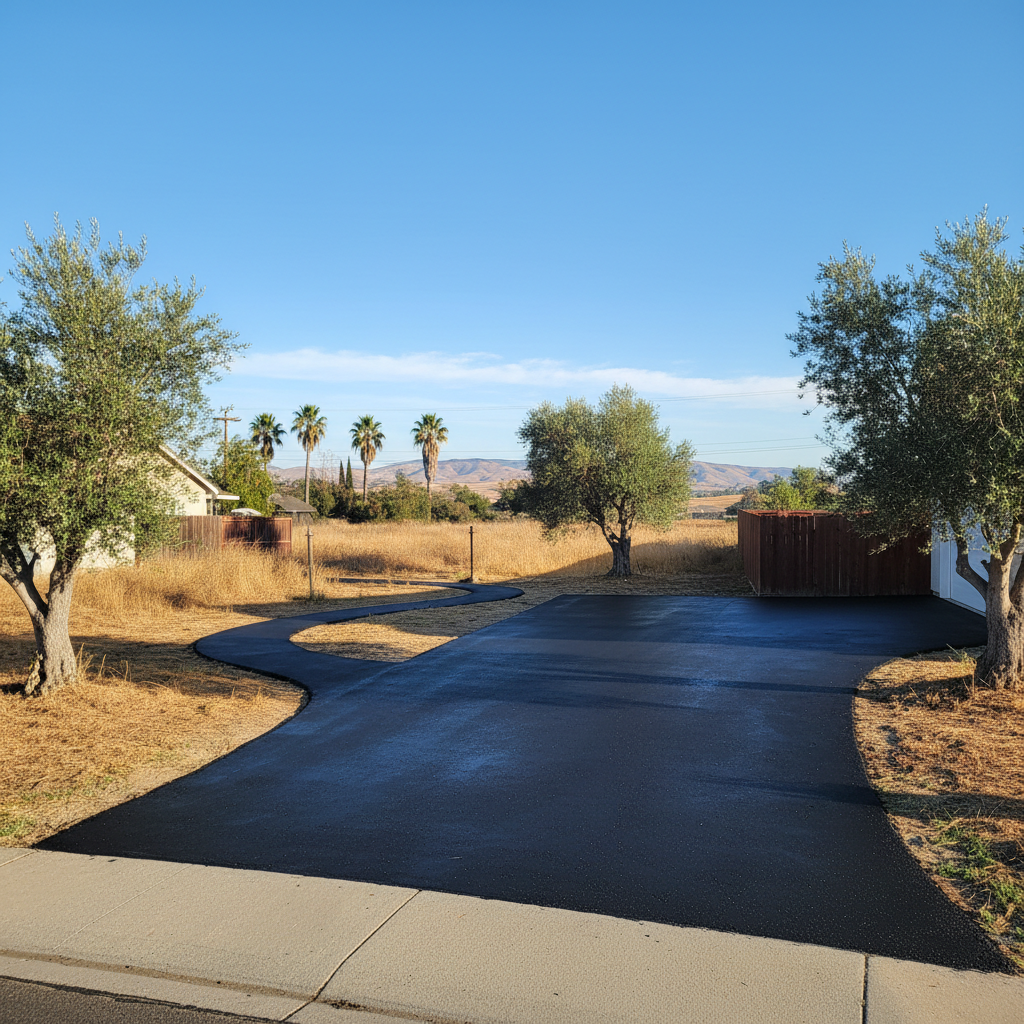
When's the best time to get that slurry seal done on your driveway? That's a question I hear a lot from folks around Tracy, and it's a good one. You want your asphalt looking good and lasting long, so getting the timing right for a slurry seal is crucial. It's not just about slapping it on; the weather plays a huge role in how well it cures and protects your pavement.
Why Timing Your Slurry Seal Matters
Slurry seal is basically a protective layer that extends the life of your asphalt. It fills small cracks, restores the color, and gives your driveway a fresh, new look. But for it to do its job right, it needs specific conditions to cure properly. Think of it like painting a wall; you wouldn't do it in the rain, right?
Here in Tracy, we get some pretty distinct seasons, and each one presents its own challenges and opportunities for asphalt work. Our summers are hot and dry, and our winters can be surprisingly wet and foggy, especially in those areas closer to the Delta.
The Best Time: Spring and Fall are Your Friends
I always tell homeowners that spring and fall are your sweet spots for slurry sealing. Why?
- Spring (April to early June): The ground has had a chance to dry out from winter rains, and the temperatures are usually warm enough for the slurry to cure effectively. You're looking for consistent daytime temperatures of at least 50°F and rising, with no rain in the forecast for at least 24-48 hours after application. The nights aren't usually too cold, which helps the curing process along.
- Fall (September to early November): Similar to spring, the summer heat has passed, but we still have plenty of warm, dry days. This allows the slurry to set without getting too hot too fast, which can cause issues, or too cold too slow, which can lead to poor adhesion. Again, clear skies and mild temps are what we're after.
These seasons give the slurry enough time to dry and harden without being rushed by extreme heat or hindered by cold and dampness. That proper cure is what gives you a durable, long-lasting finish.
When to Avoid Slurry Sealing
You definitely want to steer clear of the extremes:
- Summer (July and August): While it's dry, our Tracy summers can get brutally hot. Temperatures consistently above 95-100°F can cause the slurry to dry too quickly, leading to premature cracking or a less uniform finish. It's like trying to bake a cake at 500 degrees; it might cook, but it won't be right.
- Winter (December to March): This is a big no-go. Cold temperatures slow down the curing process dramatically, and the frequent rain and fog we get can wash away uncured material or prevent it from bonding properly. You'll end up with a mess and a wasted investment. I've seen driveways in places like the Elissagaray Ranch area that tried to get work done too late in the fall, and the winter rains just chewed it right up. It's just not worth the risk.
Weather Conditions That Affect the Work
Beyond just the season, here's what we're looking for on the actual day of application and for a couple of days after:
- No Rain: This is a non-negotiable. Any rain during or shortly after application will ruin the job. We're talking about a water-based product here, so it needs to dry without interference.
- Moderate Temperatures: As I said, 50°F and up, but ideally not much over 90°F. Consistent temperatures are key for an even cure.
- Low Humidity: High humidity can slow down the drying process, even if it's warm.
- No Strong Winds: While not as critical as rain, strong winds can carry dust and debris onto the fresh slurry, or dry it too quickly in spots, leading to an uneven finish.
Protecting Your Investment Year-Round
Once your slurry seal is down and cured, you've done a great job protecting your driveway. But the work doesn't stop there. Here's how to keep it looking good:
- Keep it Clean: Sweep off dirt, leaves, and debris regularly. Don't let oil or gas spills sit; clean them up immediately with an absorbent material and then a mild detergent.
- Watch for Cracks: Even with a slurry seal, new cracks can form over time. Address them quickly with crack filler. Small cracks are easy to fix; ignored cracks turn into potholes.
- Avoid Heavy Loads: Try not to park heavy trucks or RVs in the exact same spot for extended periods, especially during hot weather. The weight combined with heat can cause depressions.
- Mind Your Edges: The edges of your driveway are often the most vulnerable. Be careful not to drive off the edge, which can cause crumbling.
Getting your slurry seal done by a reputable local company like Alpha Asphalt Tracy means you're getting experts who understand our local climate. We know these Tracy conditions inside and out, and we'll make sure your job is done right, at the right time. Don't hesitate to reach out if you've got questions about your specific driveway or when to schedule your next seal.
Ready to Schedule?
If you're thinking about getting your driveway sealed, give us a call. We can assess your pavement, talk about the best timing, and get you on the schedule when the conditions are just right. A little planning goes a long way in making sure your asphalt investment lasts for years.