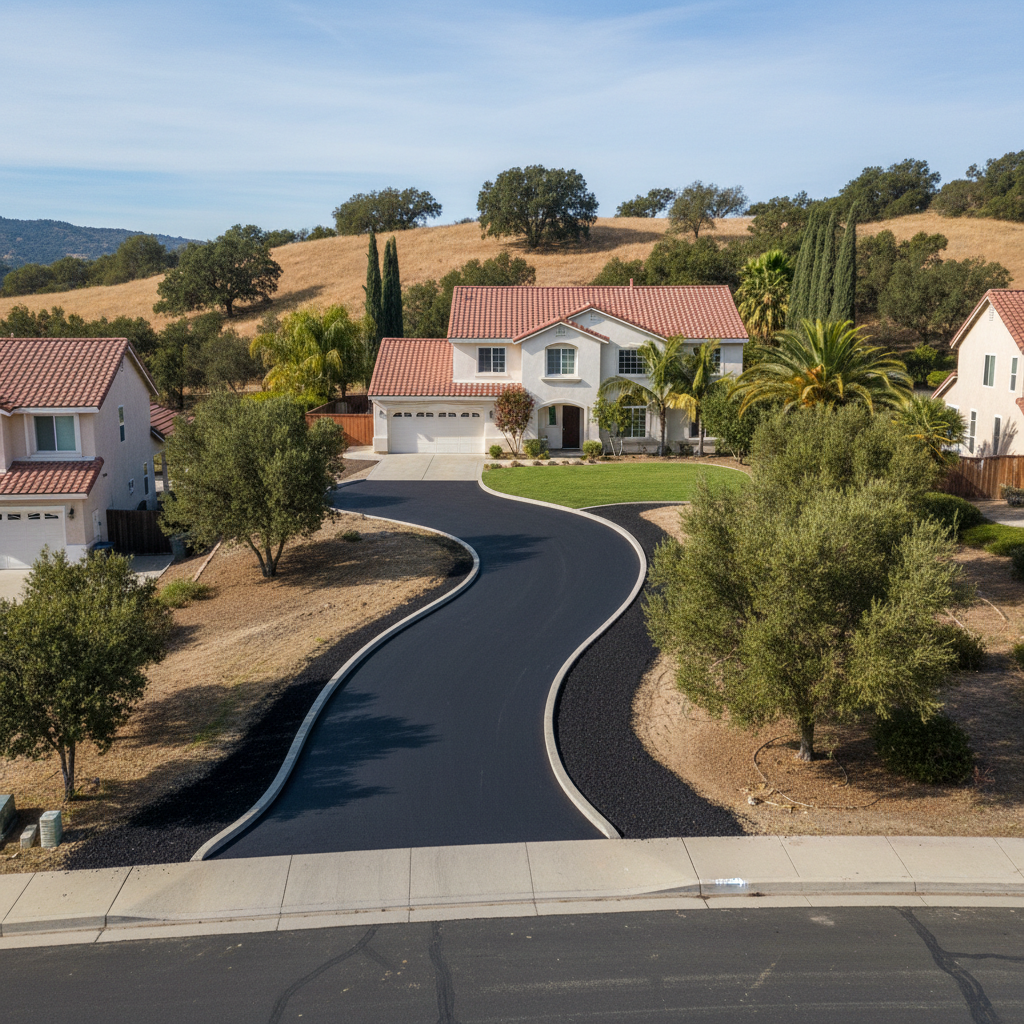
So, you're looking to get that asphalt project done at your place, huh? Maybe it's a spanking new driveway, or perhaps you're finally tackling those pesky cracks and potholes that have been driving you nuts for ages. That's fantastic! But hold on a sec. Before you dial up every contractor in town, you really need a game plan. Trust me on this: a little bit of planning goes a long, long way toward making sure you get exactly what you want, and without any major headaches.
Figuring Out Your Project Timeline
How long is this whole thing going to take? That's usually the first thing people ask me. It's not just about the actual day we lay the asphalt, you know. You've got to think about a few other things. First, there's the initial chat and getting a few quotes. That can easily eat up a week or two, depending on how busy contractors are. Then, once you pick someone, there's scheduling. Good contractors, like us at Alpha Asphalt Tracy, are often booked out a few weeks, sometimes even a month or two. That's especially true during the prime paving season when the weather's just right. You really don't want to rush this part; a solid contractor is definitely worth the wait.
The actual work? For a typical residential driveway, the prep work – digging, grading, laying down base rock – might take a day or two. The paving itself, depending on how big or complicated it is, usually gets wrapped up in a single day. Then comes the curing time. You can't just drive on it right away. We usually tell folks to stay off it for at least 24-48 hours, maybe even longer for heavier vehicles, especially with our hot Tracy summers. So, from that first phone call to finally driving on your new asphalt, you're probably looking at a 3-6 week window, all in all.
What Happens During the Project
Once you've got a contractor lined up and a date on the calendar, what's next? Well, the first thing you'll see is the crew rolling up with their equipment. It's going to be loud, dusty, and there will be heavy machinery everywhere. Don't be surprised by all the activity. If it's a brand-new installation, they'll start by digging. They'll pull out the old stuff, level the area, and put down a really solid base of aggregate. This base is super important; it's what supports your asphalt and stops it from cracking too soon, particularly with some of the expansive clay soils we've got around Tracy.
After that, they'll compact that base rock until it's super firm. Then the asphalt arrives. It comes hot, usually around 300 degrees Fahrenheit, in special trucks. The crew spreads it out evenly and then uses rollers to press it down to the correct thickness. You'll see steam coming off it – that's totally normal. Once it's rolled, it starts to cool and harden. The crew will clean everything up, and then it's just a matter of letting it cure. We'll give you clear instructions on when you can start using it.
Getting Your Property Ready
You've got a job to do too! Before the crew shows up, walk through the project area. Move any cars, trailers, or anything else you don't want moved or damaged. This includes garden hoses, planters, or even the kids' toys. If you have sprinklers or underground utilities running near the edge of the project, make sure to mark them clearly or tell your contractor beforehand. We're careful, but it's always better to be safe than sorry, right? Trim back any low-hanging branches that might get in the way of tall equipment. Make sure there's clear access for trucks and machinery. If you have pets, keep them inside or secured away from the work zone for their safety and the crew's. Basically, clear the decks!
Questions to Ask Before You Sign
This is where you protect yourself and your investment. Don't be shy about asking questions. Here's a list to get you started:
- Can you show me proof of insurance and licensing? You want to know they're covered if something goes wrong.
- What's your warranty on the work? How long does it last, and what exactly does it cover?
- What's the exact thickness of the asphalt you'll be laying? For residential driveways, you usually want at least 2-3 inches compacted.
- What kind of base preparation will you do? Make sure they're not just paving over dirt.
- How long will the project take from start to finish, including curing time?
- What's the payment schedule? Do you need a deposit, and if so, how much?
- Who will be my main contact person during the project?
- Can you give me references from other residential projects you've done in Tracy?
- What kind of drainage considerations have you included in the plan? You certainly don't want water pooling on your new driveway.
Asking these questions upfront helps you compare bids fairly and ensures you're working with a reputable contractor who stands behind their work. It also shows them you're serious and you know what you're talking about. A good contractor will appreciate your thoroughness. Do your homework, get your questions answered, and you'll be enjoying your new asphalt for years to come.