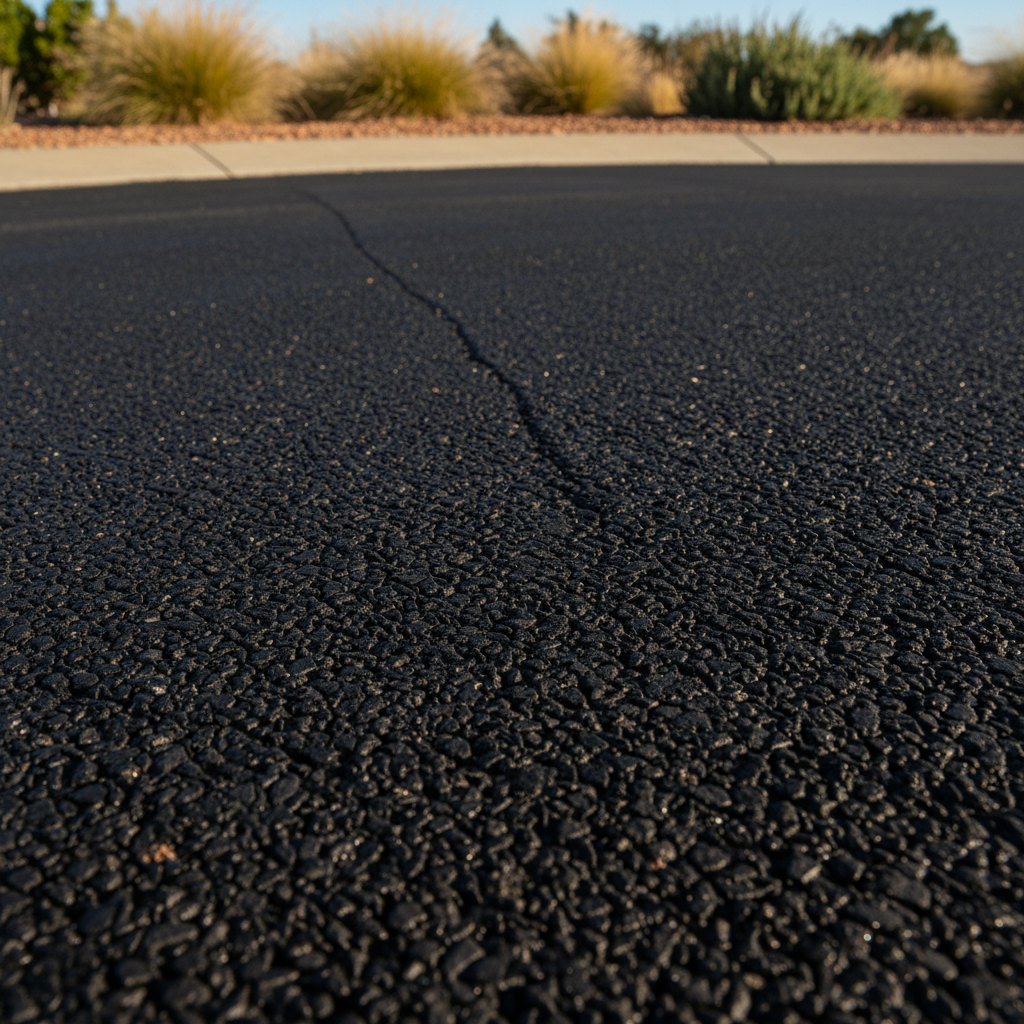
So, you're staring at your driveway, right? Maybe it's got some cracks, or you're just plain sick of that gravel. You're probably thinking, "Can I just pave this thing myself?" Totally fair question. As someone who's been doing this for years here in Tracy, I've seen people try all sorts of approaches. Let's dig into what asphalt paving really involves and where your DIY ambitions might hit a snag.
Thinking About Paving? Read This First.
Before any asphalt even touches the ground, you've got to get the site ready. This is where a lot of do-it-yourselfers either really nail it or make a huge mess. First things first, clear the area. That means yanking out old pavement, rocks, roots, or whatever else is hanging around. If you're just paving over a gravel driveway that's in decent shape, you might get away with just grading it properly. But if you've got an old, cracked asphalt or concrete slab, you'll need to break it up and haul it away. That's a ton of physical labor, and you'll need a plan for disposing of all that material the right way. Renting a bobcat or a mini-excavator can definitely help, but operating one? That takes some real skill.
Next up is the subgrade. That's just the dirt underneath everything, you know? It absolutely has to be compacted correctly and graded for good drainage. We get some pretty heavy rains here in Tracy, especially in the winter, and if your subgrade isn't sloped right, you'll end up with standing water. That's basically a death sentence for asphalt. You'll need to make sure the soil is stable – sometimes, particularly in areas with a lot of clay like we have near the Delta, you might even need to add aggregate or stabilize it. This isn't just about making it look nice; it's about making sure your driveway lasts. A solid base prevents future cracking and sinking, plain and simple.
The Paving Process: Where DIY Gets Tough
Alright, so you've got your subgrade absolutely perfect. Now, it's time for the asphalt. This isn't anything like pouring concrete from a bag, let me tell you. Asphalt, or hot mix asphalt (HMA) as we call it, needs to be delivered hot – usually somewhere around 250-325 degrees Fahrenheit. It cools down fast, especially on a breezy day. You've got a really limited window to spread and compact it before it hardens up. Trying to get a consistent thickness and a smooth finish by hand with shovels and rakes? That's incredibly difficult. You'll likely end up with an uneven surface, poor compaction, and a driveway that just won't hold up.
Then there's the compaction. This part is critical. You need a heavy roller, usually a vibratory one, to compact the asphalt to the right density. This pushes out air voids, making the asphalt strong and super durable. Renting one is possible, sure, but operating it effectively to get an even, well-compacted surface across your entire driveway? That's a learned skill. If you don't compact it enough, your driveway will be weak and prone to rutting and cracking. If you over-compact it in certain spots, you can get wavy areas. This is where Alpha Asphalt Tracy really shines – we've got the specialized equipment and the crews who know exactly how to use it right, every single time.
After the Paving: Curing and Care
Once the asphalt is down, you can't just drive on it immediately. It needs time to cure. We usually tell folks to stay off it for at least 24-48 hours, and for heavy vehicles, sometimes even longer. The exact time depends on the weather and the mix we used. During this initial curing period, the asphalt is still a bit soft and can get damaged easily from turning tires or heavy loads.
For ongoing care, there are definitely things you can handle yourself. Keep it clean – sweep off dirt and debris. Don't let oil or gas spills sit on it; those can really break down the asphalt binder. If you spot small cracks forming, you can use a crack filler product from a hardware store. These are good for minor, non-structural cracks and can help stop water from getting into the subgrade. You can also sealcoat your driveway every few years. This protective layer helps extend its life and keeps it looking good. You can buy sealcoat and apply it yourself with a squeegee, but getting an even, professional-looking coat takes practice.
So, what's the big takeaway here? For small patches, crack filling, or sealcoating, a motivated homeowner can absolutely tackle those tasks. You'll save some money and learn a bit, which is great. But for a full paving job – from excavation and subgrade prep to laying and compacting hot asphalt – that's a whole different ballgame. The specialized equipment, the timing, the sheer skill involved in getting a smooth, durable, properly drained surface? That's almost always best left to the pros. You want a driveway that's going to last, not one that's going to be a headache in a couple of years. It's an investment, after all, and doing it right the first time saves you a lot of grief down the road.