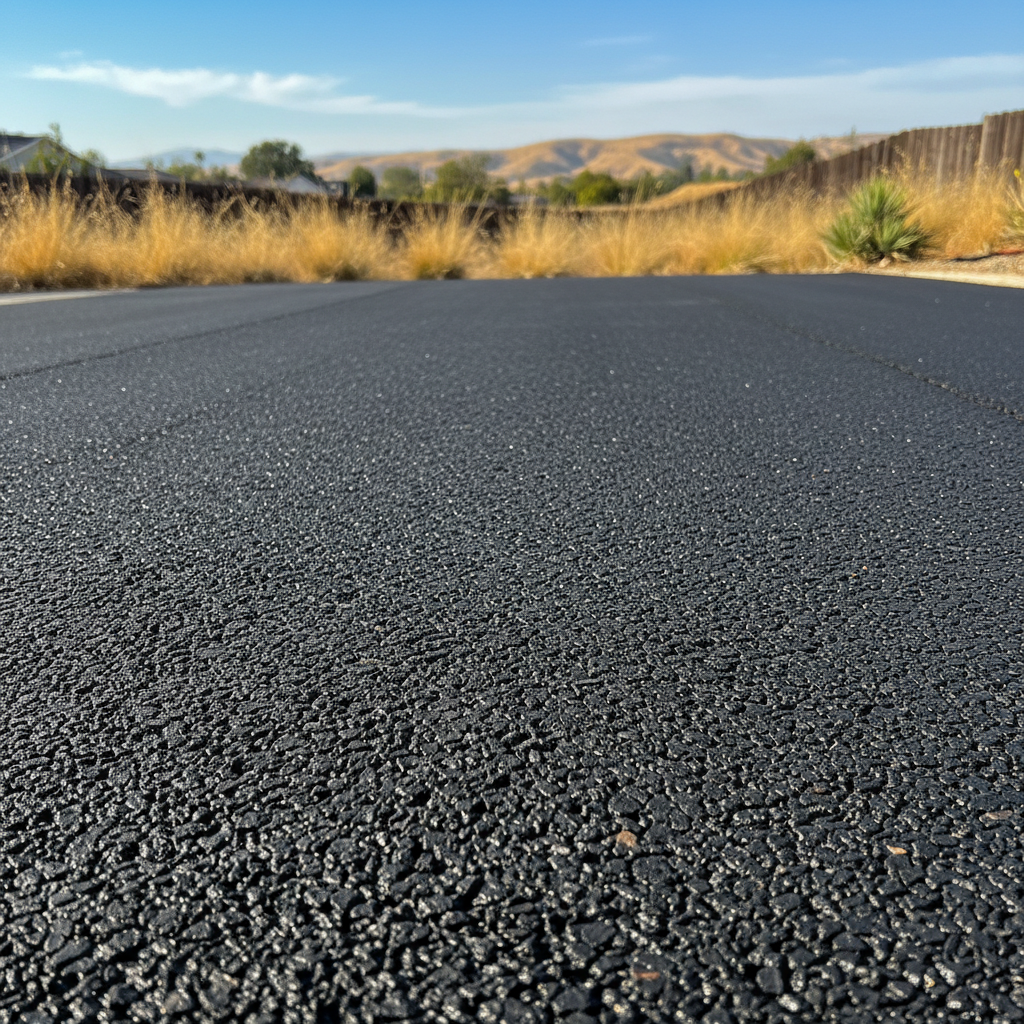
So, you're looking at that cracked-up, faded driveway and thinking it's time for an upgrade. Maybe you've even considered doing some of the work yourself to save a few bucks. That's a common thought, especially for folks who like to get their hands dirty. But when it comes to asphalt paving, knowing what you can realistically do and when you absolutely need a pro is key to a job that lasts.
Before the Shovel Hits the Ground: Planning Your Paving Project
First off, let's talk about planning. This isn't just about deciding where the driveway goes; it's about understanding the ground it'll sit on. Here in Tracy, especially in some of the older parts of town or areas with a lot of clay soil, you've got to think about proper drainage and a solid base. You don't want water pooling up or your new asphalt sinking in a year.
- Budgeting: Get a clear idea of what you're willing to spend. This will heavily influence whether you go DIY for parts of it or hire out the whole thing.
- Permits: Check with the City of Tracy. For major driveway changes or new installations, you might need a permit, especially if you're altering drainage patterns or connecting to a public street. Don't skip this; it can save you headaches later.
- DIY vs. Pro Assessment: Be honest with yourself. Do you have the heavy equipment, the time, and the physical stamina for serious excavation and base prep? This is where many DIY projects hit a wall.
What can you DIY at this stage? You can definitely do your own research, measure out your area, and even do some initial clearing of brush or old gravel. You can also call around for material prices if you're thinking of buying aggregate or asphalt mix yourself. But for anything involving significant earth moving or grading, you're probably looking at professional help.
During the Paving: The Nitty-Gritty of Laying Asphalt
Alright, let's get into the actual work. This is where the line between DIY and pro gets really clear. Asphalt paving isn't like laying down patio stones; it's a complex process that requires specific equipment and expertise to get right.
The biggest part of any paving job is the base. A good, compacted base is what gives your asphalt its strength and longevity. If you skimp here, your driveway will crack and fail prematurely, no matter how good the asphalt on top is. You'll need to excavate, lay down a proper aggregate base (like Class 2 aggregate), and compact it thoroughly with a vibratory roller. This isn't a small job. Renting a roller and getting the compaction just right takes skill and experience. If you don't get the base right, the whole thing is a waste of time and money.
Then comes the asphalt itself. This is almost always a job for the pros. Hot mix asphalt needs to be delivered hot, spread quickly and evenly, and compacted immediately before it cools. We're talking about specialized paving machines, experienced crews, and heavy rollers. Trying to do this by hand with shovels and hand tampers will result in an uneven, weak, and short-lived surface. You just can't achieve the proper density and smoothness without the right tools and know-how.
So, what can you realistically DIY during this phase? Maybe some minor trenching for drainage pipes if you're comfortable with that. You could potentially remove an old concrete driveway yourself if you have access to a jackhammer and a way to haul away the debris. But for the actual base preparation and asphalt laying, you're going to want to call a company like Alpha Asphalt Tracy. We've got the equipment and the crews who do this every single day.
After the Asphalt is Down: Protecting Your Investment
Okay, the new driveway is in. It looks great! Now what? This is where your DIY efforts can really pay off in terms of extending the life of your pavement.
- Curing: For the first few days, stay off it as much as possible. It needs time to cure and harden. Don't park heavy vehicles on it immediately.
- Edge Protection: The edges of your driveway are often the weakest points. You can do a lot to protect them by backfilling with soil or gravel to prevent crumbling.
- Cleaning: Keep it clean. Sweep off dirt, leaves, and debris regularly. Oil and gas spills should be cleaned up immediately, as they can break down the asphalt binder.
- Sealing: While we've covered slurry seals in other posts, regular sealcoating is something you can do yourself, or have a professional do, usually every 2-5 years depending on traffic and sun exposure. It protects the asphalt from UV rays and water penetration.
- Crack Filling: Small cracks will inevitably appear over time. You can buy asphalt crack filler at most hardware stores and fill these yourself. Catching them early prevents water from getting under the asphalt and causing bigger problems like potholes.
Maintaining your new driveway is where you, the homeowner, really shine. A little bit of proactive care goes a long way in making your investment last. Don't wait until a small crack turns into a huge pothole. Stay on top of it, and your beautiful new asphalt will serve you well for years to come.
When to Call a Pro, No Questions Asked
Look, I'm all for saving money and doing things yourself when it makes sense. But for the core work of laying a new asphalt driveway or doing major repairs, you really need a professional. The cost of fixing a poorly laid driveway far outweighs the initial savings of trying to DIY the whole thing. Things like proper subgrade preparation, correct asphalt mix temperature, uniform spreading, and adequate compaction are non-negotiable for a durable surface. Don't risk your investment; get a few quotes, ask about their process, and make sure you're working with someone who knows what they're doing.