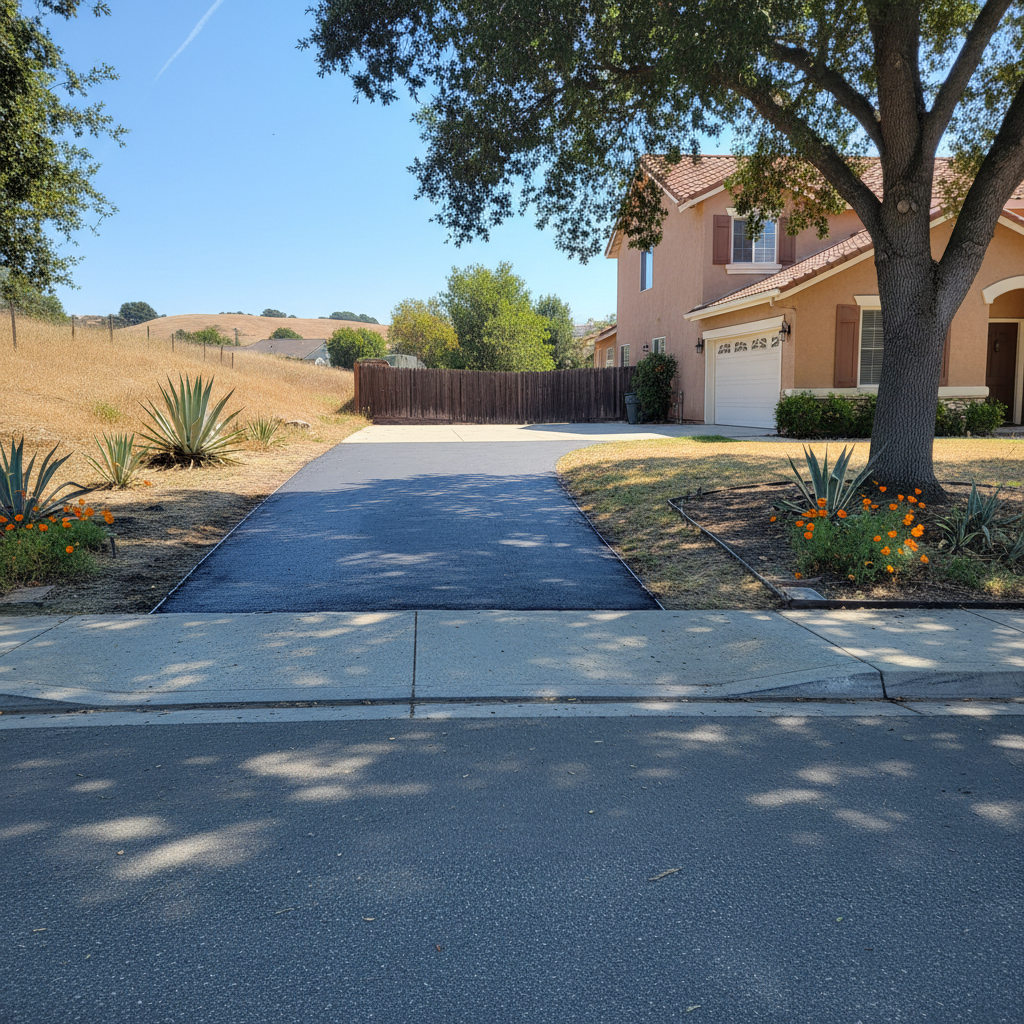
When's the best time to fix that crack in your driveway or get those potholes patched up? It's not just about when you notice it; the weather here in Tracy plays a huge role in how well asphalt repairs take and how long they last. As someone who's been laying and fixing asphalt around here for years, I can tell you that timing really is everything.
Why Tracy's Weather Matters for Your Asphalt
Our climate in Tracy, with those hot, dry summers and sometimes surprisingly wet, cold winters, is tough on asphalt. You've got the intense summer sun baking the oils out of the pavement, making it brittle. Then winter comes, and if you've got cracks, water gets in, freezes, expands, and boom – you've got a pothole. It's a cycle we see all the time, especially in older neighborhoods like the ones off of Grant Line Road, where some of the original paving has seen decades of these extremes.
So, when you're thinking about repairs, you've got to consider the temperature. Asphalt needs to be worked with when it's warm enough to be pliable but not so hot that it cures too fast or too slow. And you definitely don't want rain messing with the process.
The Best Times to Schedule Asphalt Repairs
From my experience, the sweet spot for most asphalt repair work around Tracy is usually spring and fall. Here's why:
Spring (March to May): After the winter rains have mostly passed, but before the scorching summer heat kicks in, this is prime time. The ground has a chance to dry out, and ambient temperatures are usually in that ideal 60-80°F range. This allows the asphalt materials to bond properly and cure at a good rate. You'll get a strong, durable repair.
Fall (September to November): Similar to spring, the intense summer heat has backed off, but we're usually still dry enough before the heavy winter rains start. Temperatures are mild, which is perfect for patching and crack sealing. It gives the repairs time to settle in before they face the cold and wet.
These periods give us the best conditions for a lasting repair. We're looking for dry days, moderate temperatures, and no immediate forecast for heavy rain. It just makes for a better outcome, and you won't be calling us back for the same issue next season.
When to Avoid Asphalt Work (If You Can)
You can do emergency repairs any time, of course, but for planned maintenance, try to steer clear of:
Peak Summer (July-August): It's just too hot. The asphalt can get too soft, and the materials can cure too quickly, leading to weaker bonds. Plus, it's brutal for the crew working out there.
Deep Winter (December-February): Cold temperatures make asphalt brittle and hard to work with. Plus, the constant threat of rain and frost makes it tough to get a good, dry surface for repairs. If you try to patch when it's too cold or wet, the patch might not adhere properly and could fail quickly.
Sometimes you can't wait, especially if it's a safety hazard. In those cases, we'll use specialized materials designed for colder or wetter conditions, but it's always better to hit that optimal window if you can.
Protecting Your Asphalt Investment Year-Round
You've put money into your asphalt, whether it's your driveway or a commercial lot. Here's how to make sure it lasts:
Sealcoating: This is your asphalt's sunscreen and raincoat. Apply it every 2-3 years. It protects against UV rays, water penetration, and even oil spills. It's a small investment that adds years to your pavement's life. Alpha Asphalt Tracy offers top-notch sealcoating services that really hold up to our local conditions.
Address Cracks Immediately: Don't wait. A small crack lets water in, and that water causes bigger problems. Crack sealing is one of the most cost-effective ways to prevent major damage.
Keep it Clean: Sweep off debris, leaves, and dirt regularly. This prevents organic matter from breaking down on the surface and retains the aesthetic appeal.
Watch for Standing Water: If you see puddles after a rain, it could indicate drainage issues or low spots that will lead to premature deterioration. Get those checked out.
Limit Heavy Loads: If you've got heavy trucks or RVs, try to spread out where they park or move them often. Concentrated weight can cause rutting and cracking over time.
Taking a proactive approach will always save you money in the long run. Instead of waiting for a full-blown pothole, catch those small issues early. It's like taking care of your car – regular maintenance prevents major breakdowns. If you've got questions about your specific asphalt needs here in Tracy, don't hesitate to give us a call at Alpha Asphalt Tracy. We're always happy to share what we know.