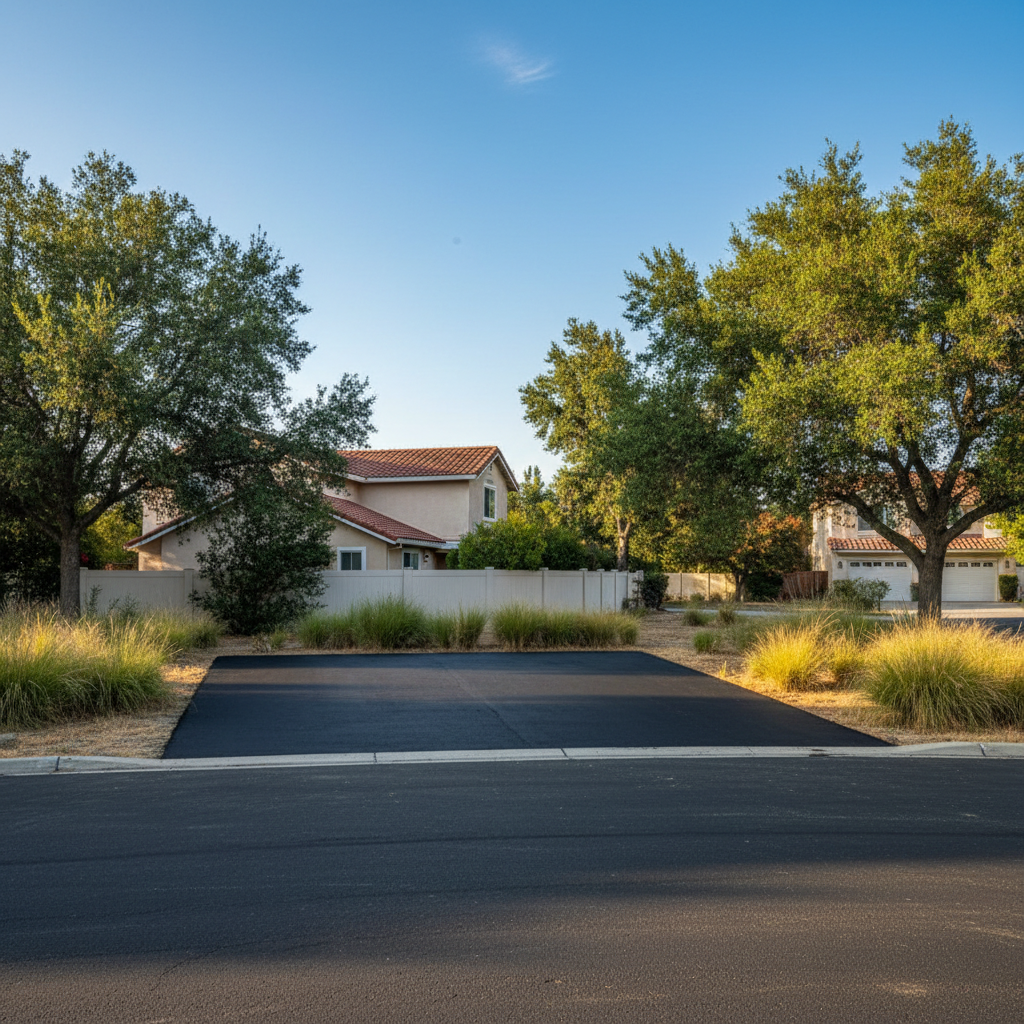
Ever stared at a pothole in your driveway and thought, "When's the best time to finally get that fixed?" If you live in Tracy, CA, it's actually not as simple as just picking a sunny day. Our local climate, with its really hot summers and surprisingly wet winters, genuinely dictates when asphalt patching makes sense – and when it's just throwing money away.
Why Tracy's Weather Really Matters for Patching
You might think asphalt is tough stuff, and it is, but it's also pretty sensitive to temperature. When you're patching, you're essentially trying to bond new material to old. That bond needs just the right conditions to properly grab hold and actually last.
- Heat is a tricky one: Our summer heat, especially those weeks where it's 100+ degrees out in places like Elissagaray Ranch, can honestly be too much. The ground gets super hot. And while you do need warmth for asphalt to be flexible, extreme heat can make it cure way too fast or even cause problems with the binder.
- Cold is the enemy: On the flip side, cold weather is a definite no-go for most patching. When temperatures dip below 50 degrees Fahrenheit, the asphalt mix doesn't compact as well. Plus, the binding agents just don't activate right. What you end up with is a patch that's brittle, doesn't stick, and will probably fail quickly.
- Rain and moisture: This one's pretty obvious, isn't it? You simply can't patch asphalt effectively on wet surfaces. Water stops proper adhesion and compaction. Even if it's just damp, you're asking for trouble down the line.
So, When Should You Schedule Patching?
Alright, let's get down to brass tacks. From what I've seen over the years working with Alpha Asphalt Tracy, here's the sweet spot:
Spring and Fall are your absolute best friends.
Think moderate temperatures. We're talking daytime highs consistently between 60 and 90 degrees Fahrenheit. This lets the asphalt stay workable without getting too soft or too stiff. The ground temperature is also perfect, helping create a strong bond between the new patch and your existing pavement.
Specifically, late March through early June, and then again from late September through early November, are usually prime times. You'll have less chance of those surprise rainstorms you get in winter, and you completely avoid the brutal summer heat that makes working with asphalt a real headache.
What About Those Winter Potholes?
I get it. You see a new pothole pop up after a rainy spell in January, and you just want it gone. But trying to patch it then is often a temporary fix at best. Cold patch material is available, sure, and you can use it for emergency repairs to stop further damage or hazards. It's a stop-gap, though. Don't expect it to last like a hot asphalt patch done in ideal conditions. If you do use cold patch, plan on getting a proper hot asphalt repair done once the weather warms up.
Protecting Your Investment Year-Round
Patching is one thing, but keeping your asphalt in good shape all year is another. Here's what you can do:
- Deal with cracks early: Small cracks turn into big cracks, which then turn into potholes. It's just how it works. Get those cracks sealed when they're minor. This keeps water out, and water is asphalt's number one enemy.
- Keep it clean: Don't let oil, gas, or other chemicals just sit on your asphalt. They break down the binder. Sweep away debris regularly, too.
- Mind the drainage: Make sure water drains away from your asphalt surfaces, not onto them or pooling in low spots. Poor drainage speeds up deterioration, plain and simple.
- Sealcoat when it's time: A good sealcoat every few years (depending on how much traffic it gets and how much wear it sees) protects your asphalt from UV rays, water getting in, and oxidation. Think of it like sunscreen for your driveway.
Look, your asphalt is a big investment. Taking a seasonal approach to its care, especially patching, means you'll get more life out of it and save some money in the long run. If you've got questions about a specific spot on your property or need a quote, you know who to call.