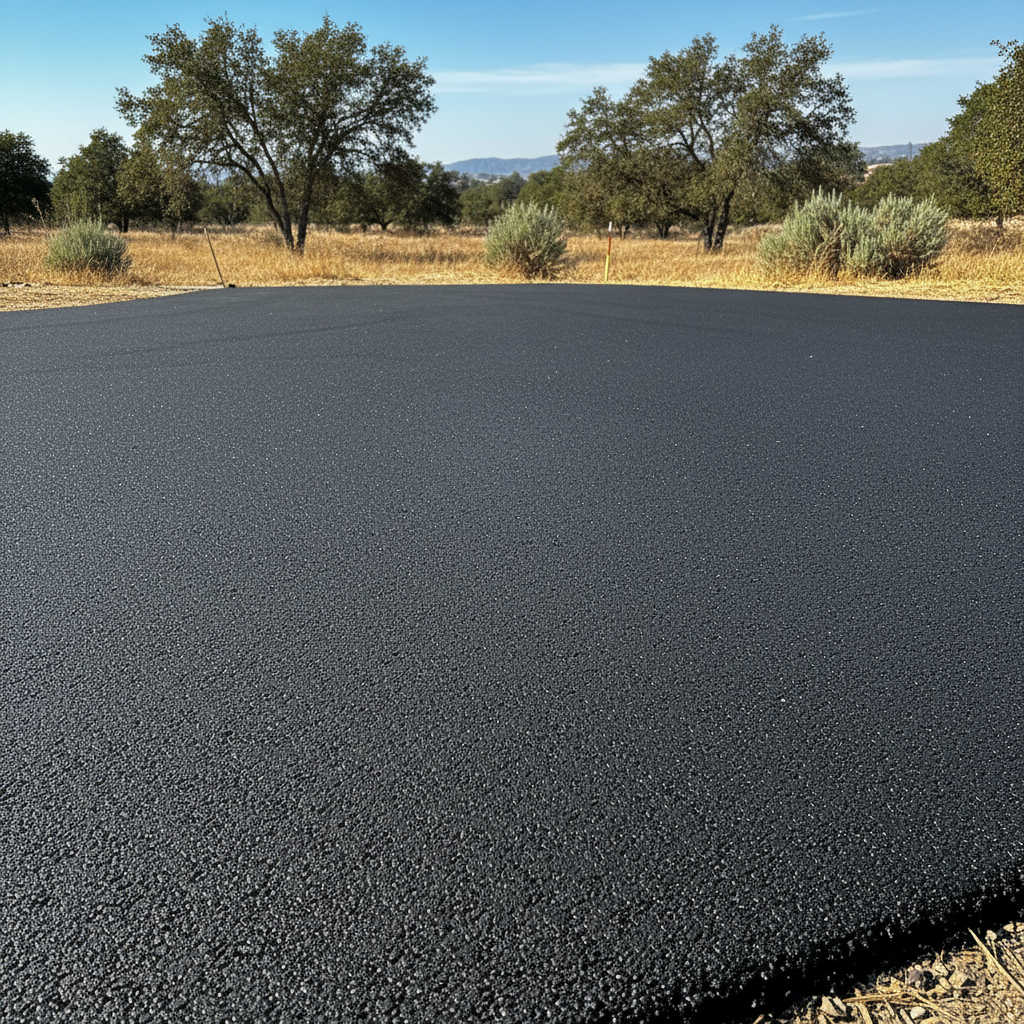
What's the difference between residential and commercial asphalt paving?
That's a question I get asked a lot, and it's a good one. While the basic stuff – asphalt itself – stays the same, almost everything else changes when you go from a home driveway to a commercial lot. For starters, commercial projects, whether it's a small retail parking lot or a big industrial yard out by the I-5, have to handle way more weight and traffic. Just think about it: a few cars a day versus hundreds of cars, delivery trucks, and even heavy equipment. That means the base layers need to be thicker and stronger. We're talking about digging deeper, using more compacted aggregate, and often putting down a thicker asphalt layer too. The asphalt mix might even be different, specifically designed for higher stress. Drainage is also a much bigger deal on commercial sites; you just can't have puddles forming in a busy parking lot. Plus, there are ADA compliance requirements for commercial properties – things like proper slopes for ramps and designated accessible parking spots – that don't apply to your home driveway. It's a whole different ballgame, really.
How often should I plan for commercial asphalt maintenance?
This isn't a one-size-fits-all answer, but I can give you some pretty solid guidelines. For most commercial properties here in Tracy, especially with our hot summers and the occasional heavy rain, you should be looking at maintenance every 2-5 years. This isn't just about making it look pretty, you know? It's about protecting your investment. Things like crack sealing should be done annually or every other year, especially if you see new cracks popping up. A good sealcoat application? Every 2-4 years is a pretty standard recommendation, depending on how much traffic you get and how well the previous coat held up. If you've got a high-traffic area, like a busy shopping center or a delivery hub, you'll want to lean towards the shorter end of that spectrum. Low-traffic spots, maybe an office park, can stretch it a bit. The key is regular inspections. Walk your lot a couple of times a year, especially after the winter rains and before the summer heat really kicks in. Catching small issues early saves you a ton of money down the road.
What causes asphalt deterioration in commercial parking lots?
Plenty of things can beat up a commercial lot, even a well-built one. The biggest culprit, by far, is water. Water seeps into cracks, gets under the asphalt, and starts eroding the base. When it freezes and expands (not a huge issue here in Tracy, but it can happen on really cold nights), it pushes the asphalt up, creating potholes. Then, when it thaws, you've got a void. Heavy traffic is another obvious one. All those cars and trucks constantly driving, turning, and parking put immense stress on the pavement, leading to rutting and cracking. Our intense Tracy sun, with those 100-degree days, also plays a role. UV rays break down the asphalt binder, making it brittle and less flexible, which leads to surface cracking and fading. Oil and chemical spills from vehicles can also soften and degrade the asphalt in specific spots. And sometimes, it's just plain old poor drainage or an inadequate base from the original installation. It's a combination of all these factors that slowly but surely wears down your lot.
Can I just patch potholes, or do I need a bigger repair?
You definitely can patch potholes, and it's a good temporary fix to keep your lot safe and functional. For a quick repair, especially during busy times, cold patch asphalt works. But honestly, it's not a long-term solution. It'll get you by, but it's prone to failing again, especially with heavy traffic. For something more durable, hot mix asphalt patching is the way to go. We cut out the damaged area, clean it thoroughly, and fill it with fresh, hot asphalt. That's a much stronger repair. However, if you've got widespread potholes, alligator cracking across large sections, or significant areas of rutting, you're probably looking at something more substantial than just patching. A full-depth repair, an overlay, or even a complete remove and replace might be necessary. Patching individual potholes is like putting a band-aid on a broken arm if the underlying problem is a failing base or widespread structural issues. I always recommend a site visit so I can give you an honest assessment of what's really going on.
What's the typical lifespan of a commercial asphalt parking lot?
A well-constructed and properly maintained commercial asphalt parking lot can last anywhere from 20 to 30 years, sometimes even longer. But that's with a big emphasis on